Día de Muertos Vegan Tribute: Chef Luciano's 'Sopa de Alma' - Autumn's Artistry 2023
Discover Chef Luciano's 2023 vegetarian Oaxacan recipe, 'Sopa de Alma'. A traditional dish with spiritual Epazote Herb for 'Dia De Muerto'. A culinary collaboration with historian Catalina.
Introduction
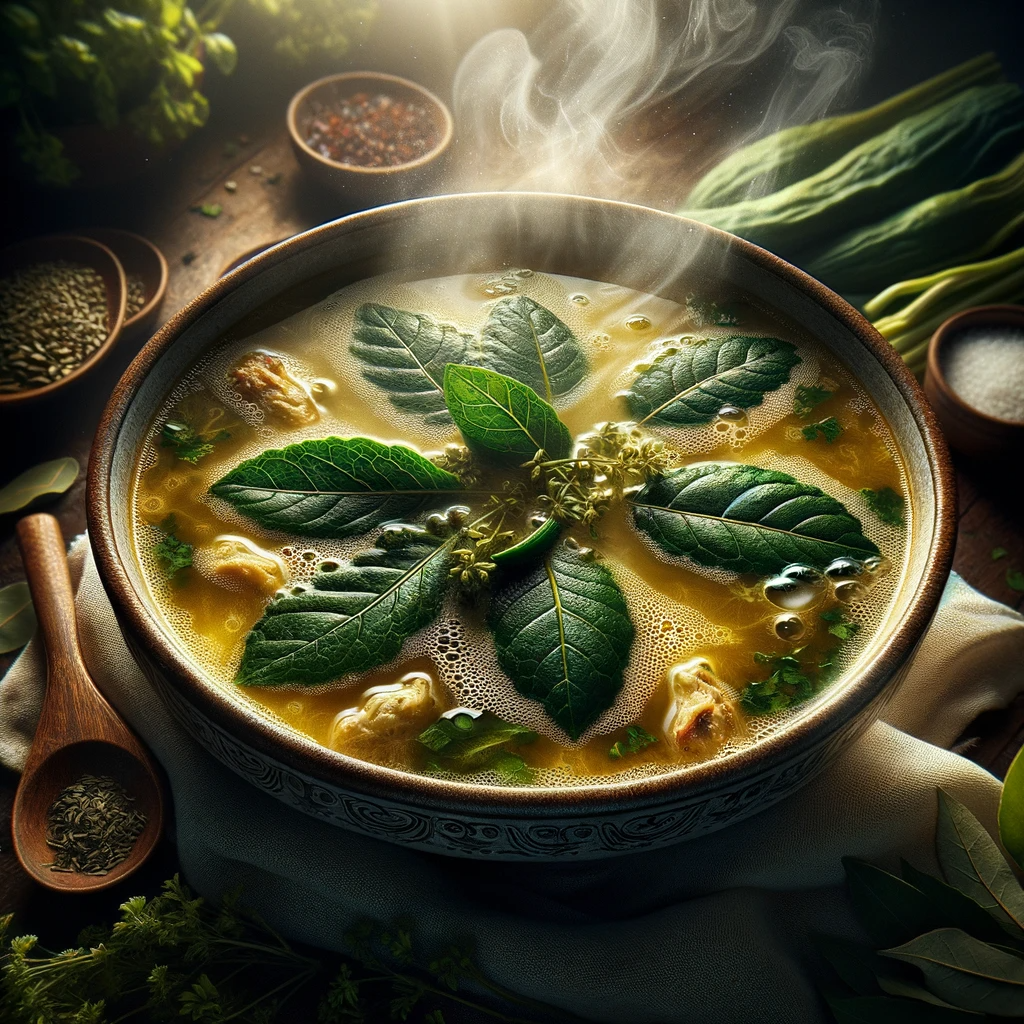
Celebrating Autumn 2023, Chef Luciano unveils his vegetarian masterpiece, the Oaxacan 'Sopa de Alma' (Soul Soup). Infused with the spiritually resonant Epazote Herb, this dish isn't just a tribute to the 'Dia De Muerto' festivities, but a sensory journey through the heart of Oaxacan cuisine.
While the soup's heartwarming flavours stand testament to Chef Luciano's expertise, it's the serendipitous encounter with Catalina that elevates this dish to artistry. Catalina, Oaxaca's culinary historian and guardian of its rich heritage, weaves stories into her food. With her guidance, Chef Luciano not only perfected the 'Sopa de Alma' but also imbibed it with a deeper soul. Her recommendation of the Epazote herb-deeply revered in Oaxacan households for its spiritual significance during the 'Dia De Muerto'-captures the essence of the region's spirit and tradition.
Together, Chef Luciano and Catalina present a dish that's more than a culinary delight; it's a blend of passion, tradition, and the celebration of life's rich tapestry. As you savour each spoonful, you're not only tasting Oaxaca's vibrant flavours but also experiencing a unique tale of collaboration and cultural reverence.
History and Origins of Día De Muertos
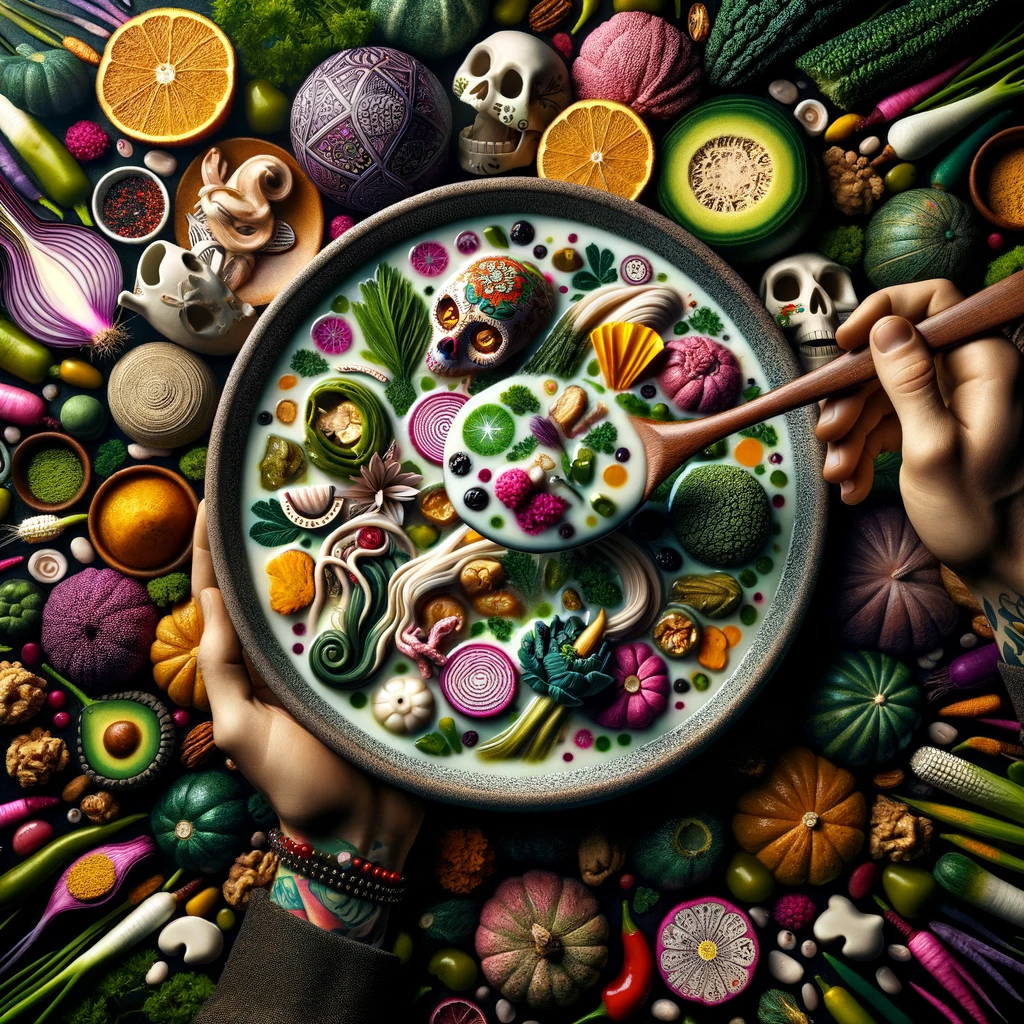
Día De Muertos, commonly known as the Day of the Dead, has its origins in the practises of ancient Mesoamerican civilizations, such as the Aztecs and the Nahua people. These cultures, long before Spanish influence, dedicated ceremonies to the goddess Mictecacihuatl, revered as the Lady of the Dead. With the 16th-century arrival of Spanish colonisers and their efforts to introduce Catholic customs, the indigenous rituals began to merge with Christian observances, notably All Saints’ and All Souls’ Day. This fusion led to the modern Día de Muertos celebrations, typically observed on November 1st and 2nd. Notably, in regions like Oaxaca, the festivities extend to three days, reflecting the area's distinct traditions and deep cultural significance.